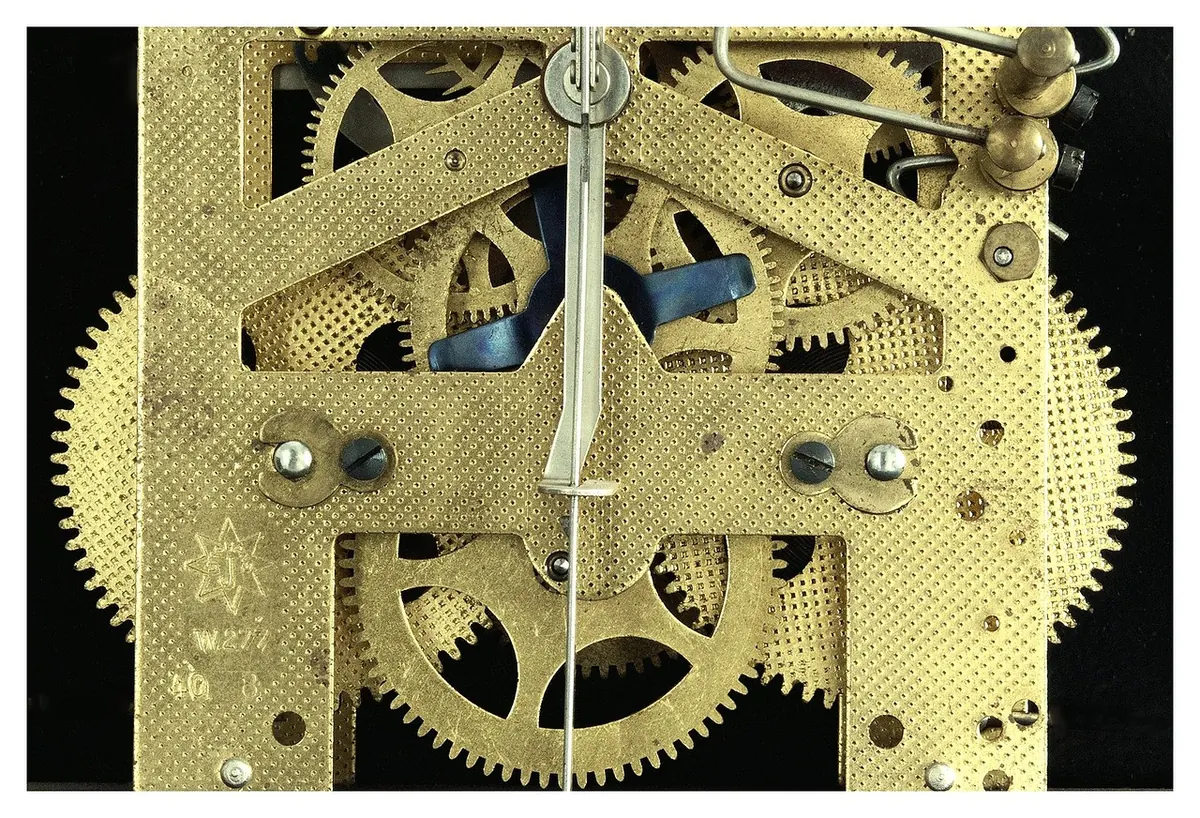
Tower Clock Strike Count Checklist: Diagnosing Missed, Extra, and Mistimed Strikes
There is a particular sound a tower clock makes when something is wrong. It may be a single stroke too many at ten o’clock, a long silence before the first blow, or a hammer that seems to catch its breath between strikes. From the ground, the cause is invisible. From a careful observation sheet, it starts to become obvious.
The aim here is not to turn you into a clockmaker. It is to help you record what the clock actually does, hour after hour, so that a specialist arrives with evidence rather than a vague report. A few minutes of disciplined listening can save hours of guesswork later.
Begin with a Safe and Repeatable Observation
Choose a place where you can hear the strike clearly and see a reliable time source. Use the same spot each time, because the sound of a strike changes with distance and with the tower’s stonework. Do not stand on a ladder, lean into the movement, or reach past a weight to get a better look. Observation should be done from a safe, still position.
- Use the same viewing point and time source for every check.
- Write down the date, time, and which hour was striking.
- Record a short audio or video clip from the same place each day.
- Keep a pencil and paper handy; memory is a poor witness for strike counts.
- Leave the movement alone. Do not oil, poke, or adjust anything just to see what happens.
Consistency matters more than cleverness. If you only check the clock when it sounds wrong, you miss the pattern that explains why.
Build a Strike Tally, Hour by Hour
Start with the simplest question: did the clock strike the number it should? A tally sheet does not need to be elaborate. A column for the hour, a column for the count you heard, and a column for remarks will do. At three o’clock you should hear three strokes; at three-thirty, a single stroke if your clock has a passing strike. If it has quarters, note those separately rather than mixing them into the hour count.
What to write down
- The hour shown on the dial when the strike began.
- The number of strokes you actually counted.
- Whether the strike started before, at, or after the minute hand reached the hour.
- Any unusual sound before the first blow: a click, a run, a thump, or a scrape.
- Whether the hammer came to rest clear of the bell, or seemed to hang against it.
A simple record of “correct, one short, one extra” over twelve hours is more useful than a memory of one odd morning. If the clock has more than one bell, note which bell is affected; a fault on one hammer is a different clue from a fault on the whole train.
Separate Missed, Extra, and Mistimed Faults
These three complaints sound similar at a distance, but they point in different directions. Keep them apart in your notes.
Missed strikes
If the clock is consistently one short at every hour, the count is probably being lost at the same point in the sequence. If it misses only at certain hours, write down which ones. A strike that fails completely at a specific hour may be catching on a worn count wheel slot, a rack tooth, or a snail step. Note whether the warning run happens but no blow follows, or whether the train never releases at all.
Extra strikes
One extra blow at the end of a sequence often points to a locking lever or count wheel detent that is not dropping cleanly into place. Extra strokes at the beginning are a different matter: the strike may be releasing twice, or the hammer may be bouncing. Record whether the extra stroke comes before or after the correct count, and whether it happens at every hour or only at the change from one count to another.
Mistimed strikes
Mistiming covers a wide range: late release, uneven cadence, double hits, hammer bounce, and a strike that starts correctly but slows down. Listen to the gap between blows. A strike that begins early and ends early may be a setup issue. A strike that starts late but counts correctly may be a warning or release problem. A hammer that hits twice in quick succession is often a spring or clearance issue, while a train that races or hesitates may need attention at the fly governor.
Check the Simple Setup Points First
Before anyone opens the movement, rule out the obvious. These checks are observational, and they cost nothing.
- Is a weight resting on the floor, a beam, or a coiled cable?
- Is the hammer clear of the bell when at rest, with room to swing?
- Are bell bolts, frame fixings, and hammer springs secure?
- Is there fresh oil, grease, dirt, or a loose tool near the strike train?
- Has the clock just been wound, serviced, or had its hands reset?
If the answer requires touching a weight, climbing into the movement, or moving a lever, stop and call someone competent. Tower clock weights can be heavy, and a strike train can start moving when a detent is disturbed.
Follow the Sequence Across a Full Cycle
A single hour tells you little. A twelve-hour cycle tells you whether the fault is fixed, progressive, or random. Use your tally to look for three patterns. A fault that repeats at the same hour every cycle points to a specific count wheel slot, rack tooth, or snail step. A fault that drifts—one short at noon, two short by evening—suggests something changing with wear, friction, or power. A fault that appears only after winding may be linked to the weight run or the cable.
Also note the conditions: cold mornings, hot afternoons, a door left open, a recent bell adjustment, or the first strike after the clock has been wound. Keep the notes factual. “At 7:00 the clock struck eight; the extra stroke came after a short pause” is useful. “The clock is acting strangely” is not.
When to Hand It Over
Call a specialist when you have a repeatable pattern, a safety concern, or any sign of mechanical distress: a weight falling, a cable fraying, a hammer jammed against the bell, or a strike train that will not stop. Hand over your tally sheet, recordings, and a clear description of the last time the clock was wound or serviced. The best call is short: “At 4:00 and 5:00 the clock struck one extra; it has happened for three days since winding.” That gives a clockmaker a place to start.
Keep observing after the visit. A tower clock is a patient machine, and the person who listens carefully is often the one who notices the next small change before it becomes a large repair.
Photo: PIRO4D / Pixabay