How to Plan a Tower Clock Visit in an Italian Hill Town
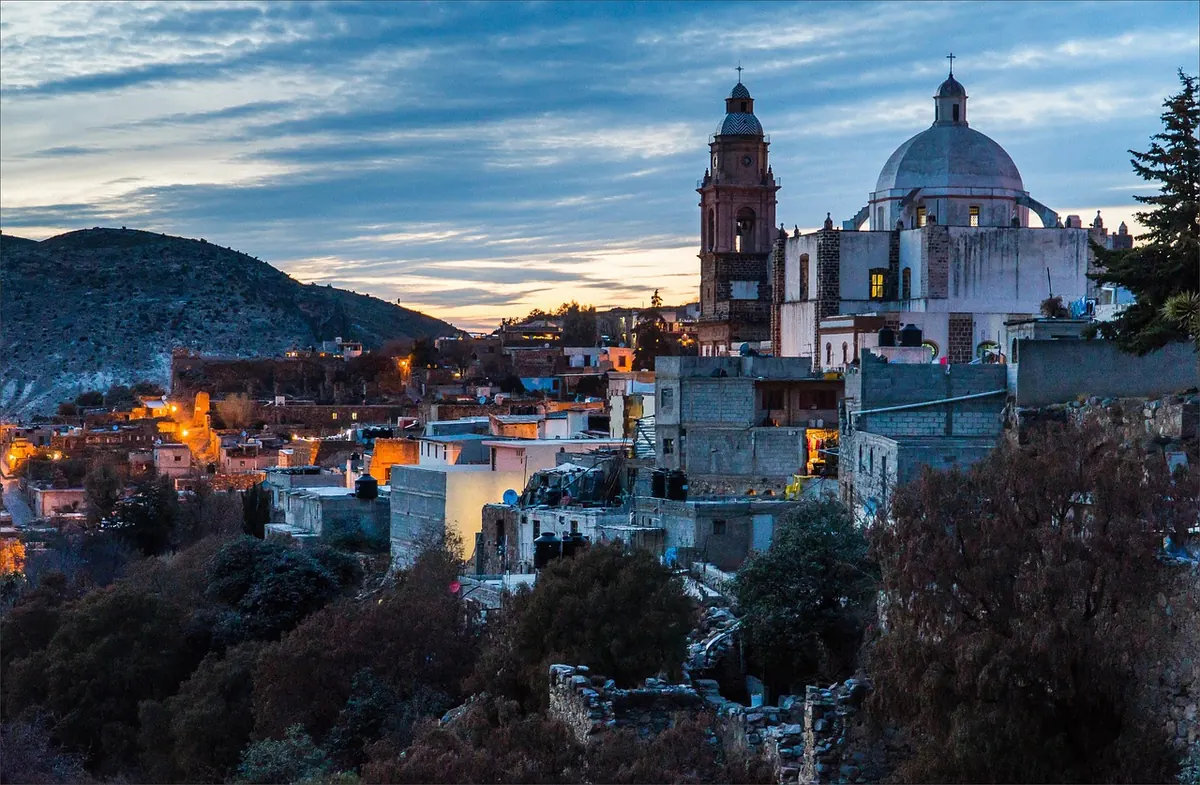
A tower clock in an Italian hill town rarely asks for attention. It sits above a piazza, partly hidden by a roof, a bell opening or a plane tree, and it keeps time whether anyone looks up or not. That quietness is part of the appeal. You do not need a special pass to enjoy the dial from below, but you do need a little planning if you want to see the clock properly, understand how it fits into the town, and take photographs without treating the place as a stage set.
Planning a visit is less about ticking off a monument and more about arranging a few hours so the town, the light and the tower line up. The following route is deliberately local: it starts with the people who keep daily life moving, uses the streets as viewing platforms, and treats the clock as working heritage rather than a backdrop.
Start with the town, not the clock
Before you study the dial, establish who can tell you about it. In a small comune, the tourist office may be a seasonal desk, a shared counter in the town hall, or simply a noticeboard with opening hours. Ask for the torre campanaria, the orologio della torre, or plainly the clock tower. If you plan to ask about access, do it a few days ahead by phone or email rather than arriving at noon and hoping. Mention that you are interested in the clock itself, not only the view from the top; that changes the conversation.
The parish office is often the key holder for a church tower, while the comune looks after a civic one. A local bar, bookshop or library can usually point you to the right person, and sometimes to a volunteer who knows the restoration history. Not every tower is open, and that is normal. A closed door is not a rejection; it is a reason to ask politely and to plan a return visit.
Build your day around the light
Clock faces are high, often sheltered by cornices, and frequently face only one or two directions. A dial facing east is best in the morning, one facing west in the afternoon. In winter, low sun can pick out numerals and hands with surprising clarity; in summer, midday light can flatten the face and make shadows hard to read. Overcast weather is underrated for photographing painted dials and ironwork, because it removes the glare that turns a clock into a bright white disc.
If the tower chimes, listen for the schedule before you decide where to stand. The sound can tell you which side of the building is most active and where the bell opening sits. Plan a first pass in one light and, if you are staying overnight, a second look later in the day. Hill towns reward that kind of patience: a street that seems closed at ten in the morning may open into a perfect view at five.
Walk the town before you climb
Most hill towns offer a sequence of natural viewpoints, and the clock is often best understood from below. Start wide in the main piazza, then move down to a lower street or terrace where the tower appears above the roofline. Use binoculars if you have them. Look for the details that tell you how the clock works and how it has been cared for:
- the numerals and minute marks, painted or cut into the dial;
- the hands, counterweights and any exposed ironwork;
- the frame, glazing and bell opening;
- restoration plaques or dates near the base;
- the relationship between the clock and the church or civic facade.
A simple reconnaissance route
- Begin in the main piazza and note which face of the tower you can actually see.
- Walk to the nearest lower street or archway for a view upward through buildings.
- Find a side alley that shows the tower in profile, with roofs and chimneys in the frame.
- End at a terrace or town wall where the whole roofline makes sense.
Take notes as you go, especially about where the dial is legible and where it disappears. That small map in your head will save time later, when the light changes or when you finally get inside.
Ask before you enter
Public access to tower clocks is the exception rather than the rule. Do not slip through an unlocked door, and do not assume that a church open for prayer is open for tower visits. If a visit is possible, agree a meeting point and time with the person responsible. Inside, follow instructions closely. Stairs can be steep, narrow and worn; carry only what you need, keep your hands free, and use a torch only where it is safe and permitted.
The clock mechanism itself is not a playground. Do not touch the movement, the weights or the bell fittings, and ask before using a flash near delicate paint or glazing. If a service is in progress, wait outside. Small groups are usually easier to accommodate than large ones, and a quiet, curious visitor tends to be welcomed back.
Photograph the clock, then the town
Expose for the dial, not for the bright sky behind it. On a phone, tap the clock face and lower the exposure slightly; on a camera, spot metering helps. A polarising filter can cut reflections from glazing, but use it with care on painted surfaces. If you want a sharp close-up, a modest zoom is often more useful than a tripod in a crowded piazza. Tripods are best used at quiet hours and only where they do not block a street or doorway.
People are part of the scene, but they are not props. Avoid photographing faces close up without permission, and step aside when a resident is trying to pass. Drones are a separate matter; many towns restrict them, so ask before flying rather than assuming the sky is open. A useful shot list keeps you moving:
- a wide piazza view with the clock in context;
- a vertical alley shot looking up through stone walls;
- a close detail of numerals, hands or ironwork;
- a roofline view that shows the tower’s place in the town;
- a dusk frame with the dial still readable against the sky.
A half-day itinerary that leaves room for chance
Arrive before the morning rush fades. Have a coffee standing at a bar, then stop at the tourist office or comune to confirm opening days and access. Walk the reconnaissance route while the light is still clean, and save the close-up photographs for after you understand the angles. By late morning, ask about the tower or the parish office; if a visit is not possible, use the time to look at the exterior and the surrounding streets instead of rushing to the next town.
Take lunch without a rigid schedule. Small towns keep their own rhythm, and a long lunch is not lost time if it puts you back in the piazza when the afternoon light reaches the dial. Before you leave, return to your best viewpoint for one final look. The clock will not have changed, but your reading of it will have.
The short checklist before you go
- Confirm access with the comune or parish office, especially outside high season.
- Check service times and opening days before setting out.
- Carry binoculars, a notebook and a small torch for interior stairs.
- Wear shoes suitable for worn stone steps and uneven streets.
- Ask before using a tripod, flash or drone, and keep doorways clear.
- Plan a second look for the afternoon or the following morning.
If the tower stays closed, you have still done the important work: you have looked at the clock from the town’s own streets, learned who cares for it, and seen how it sits in the life of the piazza. That is often the better visit, and the reason to come back.
Photo: gavinseim / Pixabay